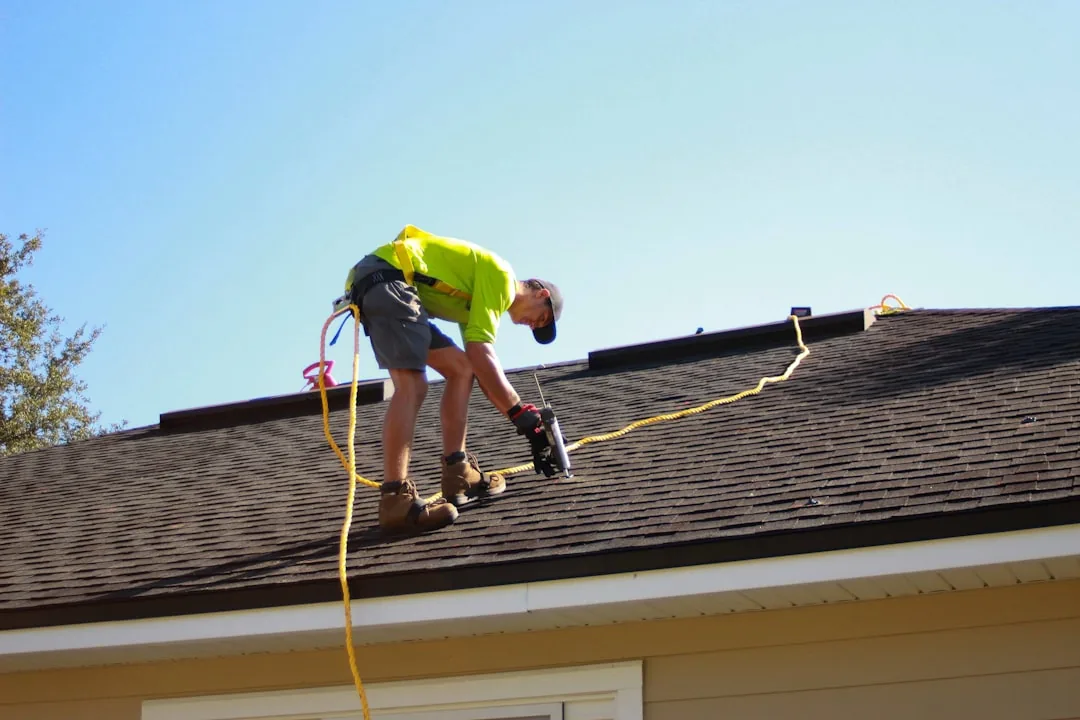
The term “storm chaser” has a bad reputation, and it’s earned. After a bad hailstorm, plenty of outside crews roll into town, sign homeowners to inflated contracts, and disappear before the job is finished right.
But here’s the thing: storm-damage roofing is also some of the highest-value, fastest-closing work a roofing company can get. Doing it well — being fast and honest, not pushy — is one of the biggest sources of leads a roofing business has. This post walks through exactly how to do it right, step by step.
Why speed matters more than anything else in the first 48 hours
Right after a hailstorm or a bad windstorm, homeowners aren’t shopping around the way they would for a normal repair. They’re scared, confused, and trying to figure out two things fast: do I actually have damage, and who do I call?
The roofer who shows up in their search results — or their mailbox — within a day or two of the storm gets the inspection appointment. Three days later, that same homeowner already has someone else’s estimate in hand, and you’ve lost the job before you even knew it existed.
This means your response system has to be built and ready before the storm hits, not scrambled together the day after. Here’s what that system needs:
1. A storm-tracking alert
You need to know about hail and wind events in your service area as fast as anyone else does — ideally before your phone even starts ringing. Free and low-cost hail-tracking services (like Google Alerts set up for “hail damage [your city],” or dedicated storm-tracking apps used in the roofing industry) can notify you the same day a storm hits.
2. A dedicated storm-damage landing page, ready to go live same-day
This is a page on your website built specifically for storm damage — not your normal “roof repair” page. It should answer, in plain language:
- How do I know if I have storm damage?
- What does the insurance claim process actually look like?
- What should I do first?
Having this page ready before a storm means you can turn on ads pointing to it the same day, instead of scrambling to build a page while leads are already searching.
3. A fast-response ad campaign you can turn on immediately
Set up (but don’t launch) a Google or Facebook ad campaign ahead of time, targeted at the zip codes in your service area. When a storm hits, you flip it on and target the exact affected neighborhoods — not your whole service area, just where the damage actually happened.
Where trust is won or lost: the insurance claim process
Most homeowners have never filed a roof insurance claim before. They have no idea what a fair adjustment looks like, what an adjuster is supposed to catch, or what a normal timeline is. This confusion is exactly where an honest roofer wins over a pushy one.
Here’s a common situation: an insurance adjuster’s first estimate misses something the code actually requires — like ice-and-water shield along the eaves, proper attic ventilation, or matching shingles when only part of the roof is being replaced. Walking the homeowner through a documented request for those missing items (called a supplement) is completely normal and honest — as long as the request matches what the code actually requires, not padding the number for no reason.
How to document a claim the right way:
- Take drone photos of the entire roof, not just the damaged sections. This shows the full picture to both the homeowner and the adjuster.
- Take moisture readings where water may have gotten in, especially around vents, chimneys, and skylights.
- Write a clear, itemized scope that lists exactly what the adjuster’s estimate is missing, and why — citing the specific building code if you can.
This documentation does two jobs at once: it justifies a fair supplement request to the insurance company, and it’s the same proof that wins you the job over a cheaper, faster-talking competitor who shows up with nothing but a verbal pitch.
A simple script for the first phone call
When a homeowner calls after a storm, they’re often anxious and unsure what to say. Here’s a simple, honest script that builds trust in the first 60 seconds:
“Thanks for calling — I know this is a stressful time. Here’s exactly what we’ll do: we’ll come out, do a full inspection including photos, and tell you honestly whether you have storm damage or not. If you do, we’ll walk you through the insurance process step by step, and there’s no cost or obligation for the inspection itself. When works for you — today or tomorrow?”
Notice what this script does: it’s calm, it promises honesty (not a sales pitch), and it gets straight to booking the appointment.
Build relationships that pay off next storm too
Roofers who consistently do this well end up with something more valuable than one good storm season: real relationships. Insurance adjusters remember roofers whose documentation consistently holds up and doesn’t try to inflate claims. Other trades — especially tree services, who are often on the same storm-damaged properties — start sending work back and forth.
None of that comes from one aggressive door-knock. It comes from being the roofer who did the job right, explained the process clearly, and made a scary situation feel manageable.
The storm-response checklist
Save this and review it before storm season:
- Storm-tracking alert set up for your service area
- Dedicated storm-damage landing page built and live on your site
- Ad campaign built and ready to switch on (not yet running)
- Drone and moisture-reading equipment ready to go
- Standard documentation template for supplement requests
- Phone script written and practiced by whoever answers calls
- Fast follow-up system so a missed call doesn’t cost you the job (see our post on speed to lead)
Storm season is a test, not a shortcut
Storm season isn’t a shortcut to volume — it’s a test of whether your speed and your documentation are actually ready before you need them. The roofers who pass that test every single storm are the ones still getting referrals two years later, long after the one-hit storm chasers have moved on to the next town.
If you want your entire storm-response system — alerts, landing page, ad campaign, and fast follow-up — built and ready before the next event, that’s exactly what we set up. See how it works, or dig into the full strategy in our Roofing Lead Generation Playbook and Roofing Sales Playbook.