 Jonathan Blake
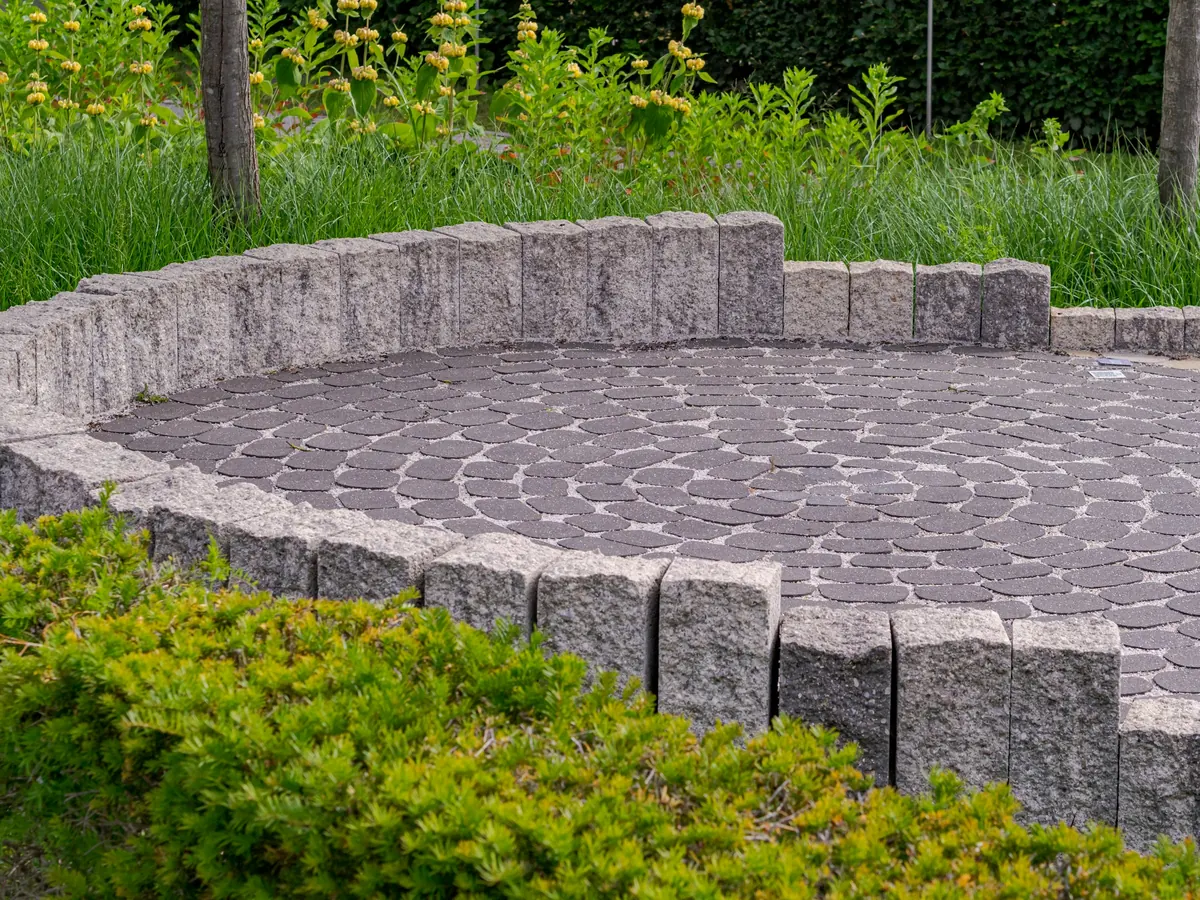
Homeowners buy landscaping with their eyes. Before they call, they look at your Google profile, your photos and your website, and they decide in seconds whether you’re the company for their yard. Landscaping SEO gets you in front of them; your photos and follow-up close the deal.
We sell landscaping and hardscape work in the field ourselves, including $111,803 closed in one September for a Toledo-area company. This guide covers what gets a landscaping company found on Google and what turns those searches into signed projects. Want a quick check on where you’re leaking leads first? Take the 2-minute Growth Score Assessment.
What is landscaping SEO?
It’s making your company show up when someone searches for landscaping in your area. Two places matter:
- The Google Maps pack: the map and three businesses at the top of searches like “landscaper near me.” This runs on your Google Business Profile.
- The regular results below the map: your website’s pages for searches like “patio installation Toledo” or “retaining walls near me.”
How do landscapers rank in Google Maps?
Google says local results are based mainly on relevance, distance and prominence. For a landscaper:
- Primary category: “Landscaper.” Add secondary categories only for what you actually do, like “landscape designer,” “lawn care service” or “snow removal service.”
- List every service: design-build, patios, retaining walls, outdoor lighting, mulch and plantings, maintenance, cleanups, snow.
- Set your service areas honestly. No virtual offices; Google’s guidelines require a real location.
- Post project photos every month, with a short note on the job and the town.
- Get reviews after every project and reply to each one. The Review Gap Calculator shows how many you need to pass the leader.
For the monthly routine, see how to rank higher in Google Maps.
What pages does a landscaping website need?
A patio lead and a mowing lead are two different customers. Give them two different pages.
- Design-build and hardscaping pages: patios, retaining walls, outdoor kitchens, fire pits, lighting. Big tickets, lots of photos, financing if you offer it.
- Maintenance pages: mowing, fertilization, mulch, cleanups. Clear service areas and how to get on the schedule.
- Commercial page if you serve apartments, HOAs or offices. See how to get commercial lawn care contracts.
- Seasonal pages: spring cleanups, fall cleanups, snow removal.
- Town pages for your main service areas, written about that town, with projects you’ve done there.
- A project gallery with before-and-after photos and the town for each job.
Why do photos matter so much for landscaping SEO?
Photos do double duty. On your Google profile, they show you’re active and help homeowners pick you. On your website, they sell the project before you ever drive out.
- Shoot every finished job, plus a “before” when you can.
- Name the files and write captions with the service and town (“paver patio, Perrysburg OH”).
- Skip stock photos. Homeowners can tell, and it wastes your best selling tool.
When should landscapers do SEO work?
Publish spring pages in winter. By the time the grass greens up, it’s too late to start.
| When | Do the SEO work for |
|---|---|
| December to February | Spring cleanups, design-build, patios, maintenance sign-ups |
| Summer | Fall cleanups, lighting, commercial bids for next season |
| September to October | Snow removal pages and commercial snow contracts |
| All year | Project photos, reviews, Google posts, local links |
Do reviews and links help?
Yes. Google says more reviews and positive ratings can help your local ranking, and links from other sites help show you’re known locally. Good link sources for landscapers: suppliers and paver manufacturers’ contractor directories, nurseries, the chamber of commerce, home and garden shows, local sponsorships, and builders or realtors you work with.
Use our review request templates instead.
What turns landscaping traffic into signed jobs?
SEO gets the call. Sales gets the job. In our own landscaping sales, what moved the close rate was simple: answer fast, show up prepared, and follow up on every estimate until you get a yes or a no. Read how to follow up after an estimate, and track your numbers with the Weekly KPI Scorecard.
Weekly KPI Scorecard
Ten numbers, fifteen minutes, every Monday. Enter last week's numbers and see your speed to lead, show rate, close rate, average ticket and cost per job.
- Shows which part of your business is leaking, so you know the one thing to fix this week
- Includes benchmarks by trade, including landscaping
- Free printable 13-week version to download
Your landscaping SEO checklist
- Primary category “Landscaper,” every service and service area listed
- Separate pages for design-build, maintenance, commercial and seasonal work
- Town pages with real local projects
- Project photos added every month, captioned with service and town
- LocalBusiness structured data, click-to-call, fast mobile pages
- Review request after every project
- Next season’s pages published one season ahead
- Every lead answered in minutes and every estimate followed up
Overlooked money
Bid on city and government contracts for landscaping and grounds maintenance
Cities, counties, schools and federal agencies hire local companies every year, and many small contractors never bid. There's a lot of money out there for the ones who sign up.
One client example: we helped a lawn care company win a city contract worth $193,500 this year, with the option to renew for 3 years plus snow removal, at about a 65% gross margin. We signed them up on PlanetBids, SAM.gov and their local government's vendor list.
One client's result; not typical or guaranteed. Contract terms and margins vary.
- 1
Start with your local government
Check your city, county, school district and park district websites for a bids, procurement or vendor registration page, and register as a vendor.
- 2
Sign up on bid platforms
Many local agencies post bids on platforms like PlanetBids. Create a free vendor profile and set alerts for your service categories.
- 3
Register on SAM.gov for federal work
Federal contracts require a SAM.gov registration, which is free. It takes some paperwork, so start before you need it.
- 4
Read every bid packet carefully
Insurance minimums, bonding, prevailing wage, scope and deadlines are all spelled out. Miss one requirement and the bid gets tossed.
Requirements differ by agency and contract. Read each bid's rules, and talk to your insurance agent and accountant before you bid on public work.
Quick wins
Want leads this month? Start here
Build the foundation first. A good website, local SEO and citations, plus every profile you can claim: Google, social media, search engines and directories. Keep your NAP (business name, address and phone number) exactly the same on your website and every listing. Verify your site in Google Search Console and Bing Webmaster Tools, and claim Bing Places for Business. The more digital real estate you own, the farther everything below takes you.
Hit up past customers
Send everyone you've worked for a real offer. They already trust you, so it's the fastest money on the board.
Do cold outreach
Call, text (with consent), email or walk in to the people and businesses who buy what you sell.
Run ads
Put a simple offer in front of homeowners in your service area this week.
Post content
Before-and-after photos, short videos and quick tips on your Google profile and social pages.
Partner with businesses that own your customers
Adjacent companies already serve the people you want. When they recommend you, you borrow their authority and trust. Co-market, swap leads or partner on lists (and follow the consent rules).
Answer every lead in under a minute
The faster you reply, the more you close. Wait 2 to 5 minutes and many leads have already called someone else.
Work every job's neighborhood
- Canvass the neighborhood around every job site. Knock on the doors on both sides and across the street.
- Leave a door hanger at every house you don't catch at home.
- Drop a handwritten note or card at the neighbors' doors: sorry for the noise and the trucks, plus an offer for a free inspection or quote.
- Put a yard sign in front of every job, and at the entrance of neighborhoods where you've done work (with permission).
Ask for introductions, not referrals
"Do you know anyone who needs…?" gets a polite "I'll keep you in mind." Asking for an introduction to a specific person gets names. Set it up at the sale, before the work starts:
"Most of our customers come from introductions, about [your real number, like 80 to 90] percent. If we knock it out of the park for you, would you be against introducing me to anyone you know who might need landscaping? We'll give them a free design consultation."
Then follow up after the job. If you've built real rapport with the customer, a little humor works:
"So do you hate me, or do you hate your friends? Why haven't you left a review or introduced me to someone who needs landscaping yet?"
Only joke like that with customers you know well. With everyone else, keep it simple and thank them either way.
The bottom line
Landscaping SEO is a complete Google profile, a real page for each type of work, photos of your best jobs, steady reviews, and doing the work a season early. Our landscaping marketing and SEO service handles it, and the Booked Solid System answers and follows up on every lead.