 Tye Norden
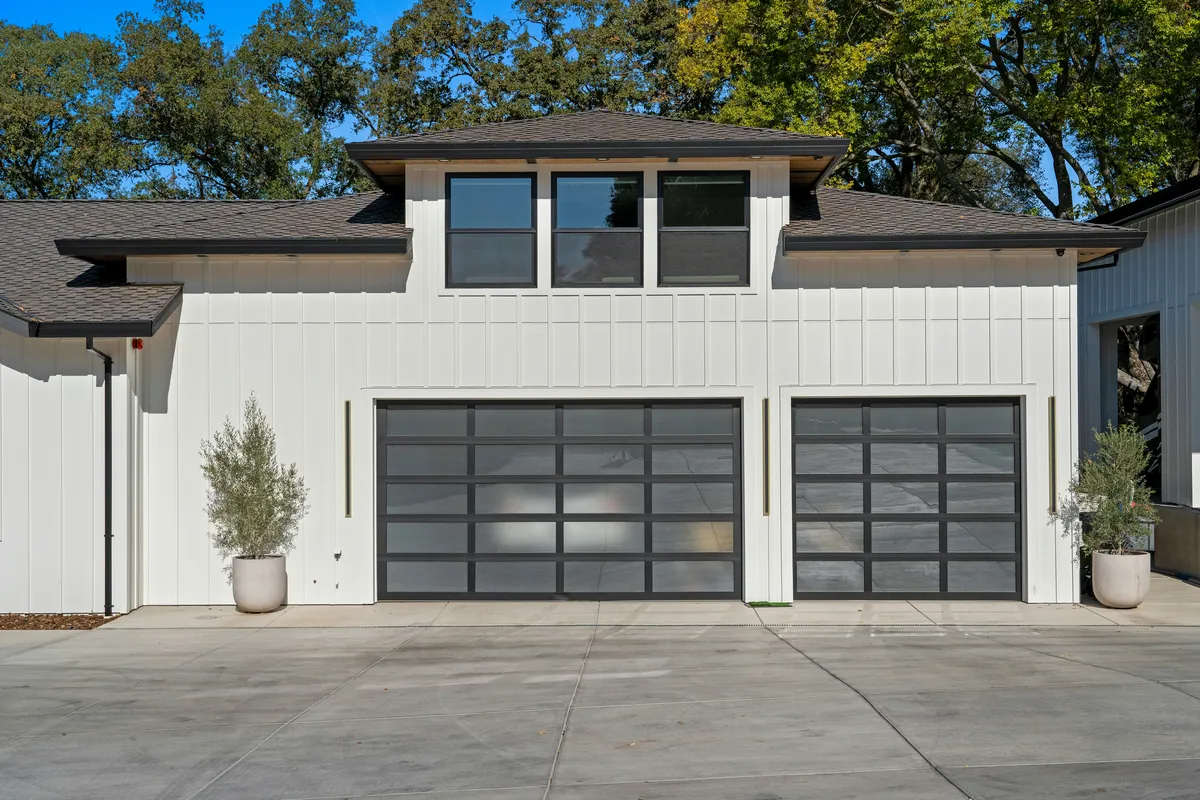
Garage door marketing is different from most home service marketing because of one thing: urgency. Nobody shops around for a garage door company when their car is trapped inside. They call until somebody picks up.
That means the company that wins usually isn’t the one with the fanciest ads. It’s the one that shows up at the top of Google, looks legitimate, and answers the phone. This post covers how to do all three, plus how to turn one-time repairs into customers who come back. If you want a quick read on where your business is leaking leads, take the 2-minute Growth Score Assessment.
What marketing works best for garage door companies?
Good marketing for garage door companies is the kind that catches urgent searches and converts them on the first call. In order of priority:
- Answer every call fast, and text back instantly when you can’t.
- A clean, complete Google Business Profile with your real service area, services and photos.
- Reviews that keep coming in after every job.
- A website with service pages and service-area pages that load fast on a phone.
- Google Local Services Ads for extra urgent repair calls once you’re verified.
- Maintenance plans and tune-up reminders that bring customers back every year.
Most garage door company marketing problems aren’t about getting more leads. They’re about losing the leads you already paid for.
Why does speed to lead matter so much for garage door repair?
A broken spring, a door off its track or a door stuck open is a right-now problem. The homeowner is late for work, their car is stuck, or their house is wide open. They’ll call the first listing, and if it goes to voicemail, they’ll call the second.
I spent three years in residential roofing and exterior sales, going door to door, and grossed $1.3 million in sales. In any kind of in-home selling, the person who shows up first and makes it easy gets the first real shot at the job. On the phone, showing up first means answering.
Here’s what that looks like for a garage door shop:
- Missed-call text-back. When a call goes unanswered, the caller gets a text within seconds saying you got their call and asking what’s wrong with the door. Our missed-call text-back templates give you the wording.
- A short intake script. Is the door stuck open or closed? Is a car trapped inside? Did they hear a loud bang (often a spring)? Book the urgent jobs first.
- Photo or video from the customer. Ask them to text a picture of the door and opener so the tech shows up with the right parts.
- Someone covering the phone after hours if you offer emergency service. If you advertise 24/7 and send calls to voicemail at 9 p.m., you’re paying for leads your competitors close.
Our full guide to speed to lead covers the research and how to hit fast response times from a truck.
Should garage door companies use Google Local Services Ads?
Often, yes. Google lists garage door services as a Local Services Ads category in the US. These ads show at the top of many local searches, and you pay for leads rather than clicks.
There’s a catch specific to this trade. Google’s help center says pre-badge ads aren’t available for garage door services, health care verticals and locksmiths. In other words, you can’t start running ads while verification is still in progress. You have to finish Google’s screening first.
Local Services Ads for garage door companies
Pros
- Can sit at the very top of urgent repair searches
- You pay for leads related to your services, not clicks
- The Google verification badge helps you look legitimate in a trade full of fake listings
Cons
- No pre-badge ads for garage door services, so you wait for verification
- Paying for calls you miss is the most expensive kind of marketing
- You compete with every other verified company in your area
If you go this route, the speed-to-lead setup above isn’t optional. Our Local Services Ads guide explains how ranking and lead disputes work.
How do you protect your Google Business Profile in the garage door industry?
Garage door repair has a long history of fake Google Maps listings. In 2020, Search Engine Roundtable reported that Google was investigating a wave of spam garage door listings after local SEO experts flagged thousands of new fake profiles. In 2025, CBS News reported that Google sued an alleged network of scammers after uncovering more than 10,000 illegitimate Maps listings, with the scams concentrated in services people need in a hurry.
That matters to honest companies in two ways. You’re competing against fake listings, and Google’s crackdowns can catch real businesses that look sloppy.
To keep your profile safe and strong:
- Use your real business name. “Smith Garage Doors,” not “Smith Garage Door Repair Spring Replacement Toledo.”
- One profile per business. Don’t create extra profiles for nearby cities. Use service-area settings and service-area pages on your website instead.
- No virtual offices or fake addresses. If you work out of your home or shop, hide the address and list your service area.
- Match your details everywhere. Same name, phone number and website on your profile, website and directory listings.
- Add real photos. Your trucks, your techs in uniform, and finished installs. Photos of real people and real equipment help homeowners tell you apart from a call center.
Google says local ranking is based mostly on relevance, distance and prominence. A complete, accurate profile with reviews and photos helps on relevance and prominence. Our Google Business Profile checklist and guide to ranking higher in Google Maps go deeper.
How should you build service-area pages for a garage door business?
Service-area pages help you show up when someone searches for garage door repair in a nearby town. Because the profile itself should list one location, your website does the work of showing every town you serve.
Make each page genuinely useful, not a copy with the city name swapped:
- The services you offer there: spring repair, opener repair and installation, off-track doors, new doors.
- Real jobs you’ve done in that town, with photos (with the homeowner’s permission).
- Reviews from customers in that area.
- A click-to-call button and a short form at the top, because most people searching for garage door repair are on a phone.
Pair those with one strong page per service. A homeowner searching “garage door spring repair” should land on a page about springs, not your home page.
How do you get more reviews for a garage door company?
Ask after every job, while the customer is standing in front of a door that finally works. Send a text with a direct link to your Google review page before the tech leaves the driveway. Our review request text templates make that easy.
Stay inside the rules. Google’s policy prohibits offering incentives for reviews and selectively asking only happy customers for them. Ask everyone, and reply to every review. In an industry where homeowners worry about scams, a long history of real reviews with owner replies is one of the strongest trust signals you have. See how you stack up against competitors with our Review Gap Calculator.
Garage door marketing ideas that bring customers back
Most garage door business marketing focuses on the next emergency call. The cheaper customer is the one you already helped.
Sell maintenance plans and tune-ups
A maintenance plan turns a one-time spring repair into a customer you hear from every year. Offer a yearly tune-up visit: inspection, lubrication, balance and safety checks, and adjustments.
The International Door Association recommends homeowners do a monthly visual inspection and regular tests of door balance, the reversing mechanism and photo eyes, lubricate moving parts twice a year, and have a trained service technician look at anything that seems wrong. That gives you an honest reason to stay in touch. Most homeowners won’t do those checks themselves, and many would rather pay you to do it once a year.
One-time repair
- How you get it: Urgent call, often from Google or an ad
- What it costs you: Ad spend or lead fees every time
- What happens next: Customer forgets your name until the next breakdown
Maintenance plan customer
- How you get it: Offered at the end of a repair or install
- What it costs you: A few reminders a year
- What happens next: Yearly visits, first call for repairs, and referrals
Send tune-up reminders
Put every customer on a simple reminder schedule: a text or email about once a year, timed before the season when doors work hardest in your area. In the Midwest, a fall reminder before winter is a natural fit. Keep it short:
Hi Mark, it’s Dana from Smith Garage Doors. It’s been about a year since we worked on your door. Want us to do a safety check and tune-up before winter? Reply YES and we’ll find a time.
Follow up on install quotes
New door and opener quotes aren’t as urgent as repairs, and they go cold fast. Follow up the next day, again within a week, and then monthly until you get an answer. Our guide on how to follow up after an estimate has scripts.
Your garage door marketing checklist
- Every call answered, with missed-call text-back on for the rest
- Intake script for urgent calls (stuck open, car trapped, broken spring)
- Google Business Profile with your real name, one profile, hidden address if you’re a service-area business
- Real photos of your trucks, techs and finished jobs
- Service pages and useful service-area pages on your website
- Local Services Ads verification started, if you plan to run them
- Review request sent after every job
- Maintenance plan offered at the end of every repair and install
- Yearly tune-up reminders to customers who have given consent
Quick wins
Want leads this month? Start here
Build the foundation first. A good website, local SEO and citations, plus every profile you can claim: Google, social media, search engines and directories. Keep your NAP (business name, address and phone number) exactly the same on your website and every listing. Verify your site in Google Search Console and Bing Webmaster Tools, and claim Bing Places for Business. The more digital real estate you own, the farther everything below takes you.
Hit up past customers
Send everyone you've worked for a real offer. They already trust you, so it's the fastest money on the board.
Do cold outreach
Call, text (with consent), email or walk in to the people and businesses who buy what you sell.
Run ads
Put a simple offer in front of homeowners in your service area this week.
Post content
Before-and-after photos, short videos and quick tips on your Google profile and social pages.
Partner with businesses that own your customers
Adjacent companies already serve the people you want. When they recommend you, you borrow their authority and trust. Co-market, swap leads or partner on lists (and follow the consent rules).
Answer every lead in under a minute
The faster you reply, the more you close. Wait 2 to 5 minutes and many leads have already called someone else.
Work every job's neighborhood
- Canvass the neighborhood around every job site. Knock on the doors on both sides and across the street.
- Leave a door hanger at every house you don't catch at home.
- Drop a handwritten note or card at the neighbors' doors: sorry for the noise and the trucks, plus an offer for a free inspection or quote.
- Put a yard sign in front of every job, and at the entrance of neighborhoods where you've done work (with permission).
Ask for introductions, not referrals
"Do you know anyone who needs…?" gets a polite "I'll keep you in mind." Asking for an introduction to a specific person gets names. Set it up at the sale, before the work starts:
"Most of our customers come from introductions, about [your real number, like 80 to 90] percent. If we knock it out of the park for you, would you be against introducing me to anyone you know who might need garage door work? We'll give them a free garage door tune-up check."
Then follow up after the job. If you've built real rapport with the customer, a little humor works:
"So do you hate me, or do you hate your friends? Why haven't you left a review or introduced me to someone who needs garage door work yet?"
Only joke like that with customers you know well. With everyone else, keep it simple and thank them either way.
The bottom line
Garage door marketing comes down to being the real, local company that answers. Keep your Google Business Profile clean, get verified if you want Local Services Ads, collect reviews after every job, and answer every call fast. Then use maintenance plans and reminders so you’re not starting from zero every month.
If you’d rather have the website, missed-call text-back, review requests and reminders handled in one place, that’s what the Booked Solid System is built for.