 Jonathan Blake
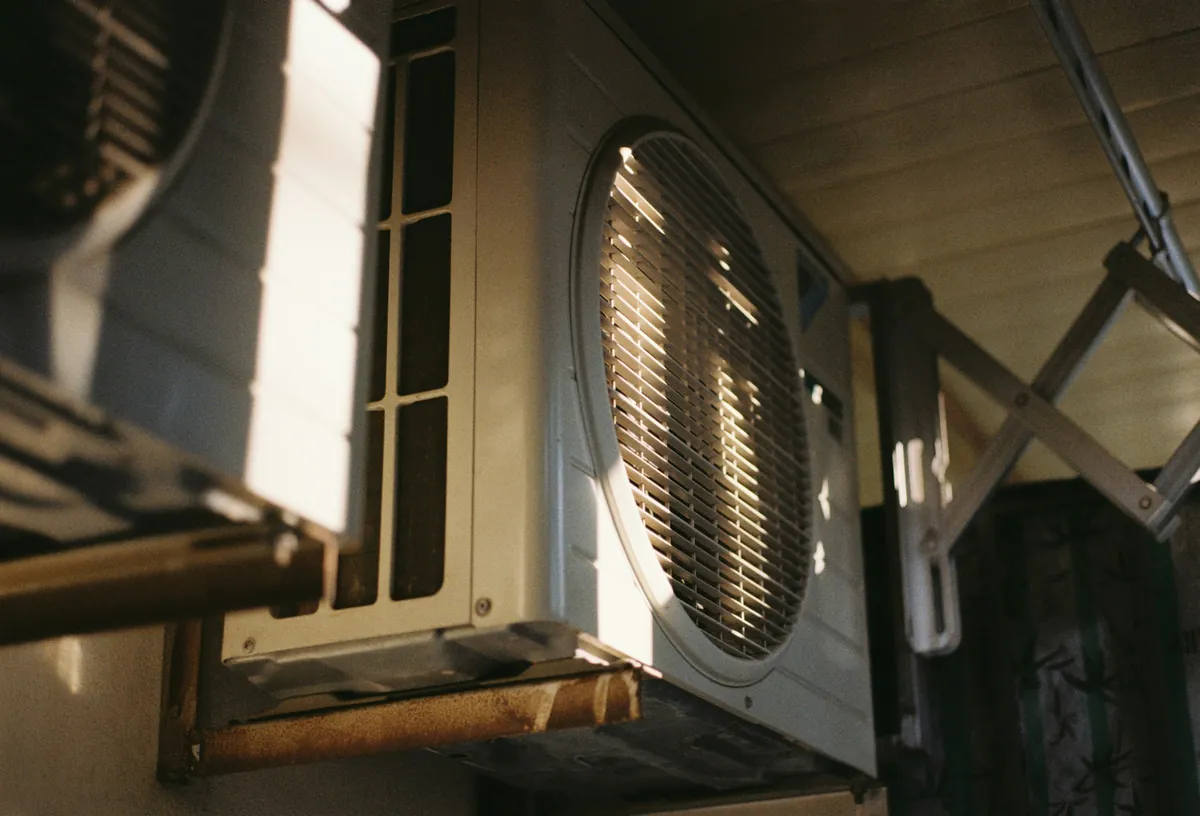
HVAC demand doesn’t come in a steady stream. It comes in waves: the first heat wave, the first cold snap, and a long quiet stretch in between. HVAC SEO decides which company homeowners find when the wave hits, and whether your phone rings when it doesn’t.
This guide covers what actually moves a heating and cooling company up in Google: the two places you need to rank, the pages your site needs, how to plan around the seasons, and the mistakes that get HVAC profiles suspended. Want a quick read on where you’re losing calls now? Take the 2-minute Growth Score Assessment.
What is HVAC SEO?
HVAC SEO is making your company show up when people search for heating and cooling help near them. There are two places to rank:
- The Google Maps pack: the map and three businesses at the top of searches like “AC repair near me” or “furnace repair.” This runs on your Google Business Profile.
- The regular results below the map: your website’s pages for searches like “furnace replacement Columbus” or “heat pump installation.”
Emergency searches mostly end in the map pack. Bigger decisions, like a new system, often involve more research on websites. You need both.
How do HVAC companies rank in Google Maps?
Google says local results are based mainly on relevance, distance and prominence. For an HVAC company, that means:
- Primary category: “HVAC contractor.” Add secondary categories only for what you really do, like “air conditioning repair service” or “furnace repair service.”
- List every service in the words homeowners use: AC repair, furnace repair, heat pumps, ductless mini-splits, duct cleaning, maintenance plans.
- Set accurate hours. If you take emergency calls, say so, and only list 24/7 if someone actually answers.
- Set your service areas honestly. No virtual offices or mailbox addresses; Google’s guidelines require a real location.
- Get reviews every week, and ask techs to request them in the driveway when the customer is happy. The Review Gap Calculator shows how many you need to catch the leader.
- Add real photos of your vans, techs and installs every month.
For the full routine, see how to rank higher in Google Maps.
What pages does an HVAC website need?
Someone with a broken AC wants a fast repair. Someone pricing a new system wants options and financing. Someone with an old furnace wants to know if it’s worth fixing. Those are different searches, so they need different pages:
- Repair pages: AC repair, furnace repair, heat pump repair. Lead with how fast you can get there and a click-to-call button.
- Replacement and installation pages: new AC, new furnace, heat pumps, mini-splits. Include brands you install, financing and what affects the price.
- A maintenance plan page: what’s included, the price, and why it pays for itself. It’s your best page for recurring revenue.
- Service-area pages for your main towns, written about that town: neighborhoods, housing age, common systems. Not the same page with a new city name.
- Reviews and project gallery with real photos.
How do you plan HVAC SEO around the seasons?
The time to rank for AC repair is March, not the first 95-degree day in June. SEO changes take weeks to months to show up, so work a season ahead:
| When | Do the SEO work for |
|---|---|
| Late winter | AC repair, AC tune-ups, AC replacement pages |
| Late summer | Furnace repair, heating tune-ups, furnace replacement pages |
| Shoulder seasons | Maintenance plan pushes, review requests to past customers, new photos |
| All year | Emergency service, Google posts, local links |
What technical SEO does an HVAC site need?
- Fast on a phone. A homeowner sweating in a hot house won’t wait for a slow page.
- Click-to-call at the top of every page, and a booking form that works on mobile.
- LocalBusiness structured data with your name, phone, service area and hours. Google publishes the format.
- The same name, address and phone on your site, your Google profile and every directory.
- HTTPS and no broken pages.
Do reviews and links help HVAC SEO?
Yes. Google says more reviews and positive ratings can help your local ranking, and links from other websites help show you’re well-known.
Good link sources for HVAC companies:
- Equipment manufacturer dealer locators for the brands you install
- Your local utility’s contractor or rebate program list, if it has one
- Chamber of commerce and BBB
- Local sponsorships, and local news during extreme weather
- Home builders, property managers and real estate agents you work with
Use our review request templates instead.
The HVAC SEO mistakes that cost you calls
- Keyword-stuffed business names like “Smith HVAC - Best AC Repair Dayton.” It breaks Google’s guidelines.
- Fake addresses to show up in other towns.
- One “services” page for everything instead of separate repair, replacement and maintenance pages.
- Starting SEO when it’s already busy. By then you’re too late for that season.
- Missing after-hours calls. A homeowner with no heat at 10 PM calls whoever answers. Make sure that’s you. A missed call text back keeps that caller from dialing the next company. See why speed to lead matters, and run the Revenue Leak Finder to see what no-shows and weak follow-up cost you.
Your HVAC SEO checklist
- Primary category “HVAC contractor,” services, hours and service areas complete
- Separate repair, replacement and maintenance plan pages
- A page for each main town you serve, written about that town
- Click-to-call, mobile booking and LocalBusiness structured data
- Review request after every call, every review answered
- New photos and a Google post every month
- Next season’s pages published one season ahead
- Every call answered or texted back in minutes, including nights and weekends
Quick wins
Want leads this month? Start here
Build the foundation first. A good website, local SEO and citations, plus every profile you can claim: Google, social media, search engines and directories. Keep your NAP (business name, address and phone number) exactly the same on your website and every listing. Verify your site in Google Search Console and Bing Webmaster Tools, and claim Bing Places for Business. The more digital real estate you own, the farther everything below takes you.
Hit up past customers
Send everyone you've worked for a real offer. They already trust you, so it's the fastest money on the board.
Do cold outreach
Call, text (with consent), email or walk in to the people and businesses who buy what you sell.
Run ads
Put a simple offer in front of homeowners in your service area this week.
Post content
Before-and-after photos, short videos and quick tips on your Google profile and social pages.
Partner with businesses that own your customers
Adjacent companies already serve the people you want. When they recommend you, you borrow their authority and trust. Co-market, swap leads or partner on lists (and follow the consent rules).
Answer every lead in under a minute
The faster you reply, the more you close. Wait 2 to 5 minutes and many leads have already called someone else.
Work every job's neighborhood
- Canvass the neighborhood around every job site. Knock on the doors on both sides and across the street.
- Leave a door hanger at every house you don't catch at home.
- Drop a handwritten note or card at the neighbors' doors: sorry for the noise and the trucks, plus an offer for a free inspection or quote.
- Put a yard sign in front of every job, and at the entrance of neighborhoods where you've done work (with permission).
Ask for introductions, not referrals
"Do you know anyone who needs…?" gets a polite "I'll keep you in mind." Asking for an introduction to a specific person gets names. Set it up at the sale, before the work starts:
"Most of our customers come from introductions, about [your real number, like 80 to 90] percent. If we knock it out of the park for you, would you be against introducing me to anyone you know who might need heating or cooling work? We'll give them a free system check."
Then follow up after the job. If you've built real rapport with the customer, a little humor works:
"So do you hate me, or do you hate your friends? Why haven't you left a review or introduced me to someone who needs heating or cooling work yet?"
Only joke like that with customers you know well. With everyone else, keep it simple and thank them either way.
The bottom line
HVAC SEO isn’t complicated. It’s a complete Google profile, a real page for every service and town, steady reviews, and doing the work a season before you need it. Then make sure no emergency call goes unanswered. Our HVAC marketing and SEO service handles all of it, and the Booked Solid System answers and follows up on every lead in seconds.